Building Your LEAF ERGs
Plant the seed by identifying interest and gathering input from employees. Use surveys or small focus sessions to discover what types of ERGs would bring the most value.
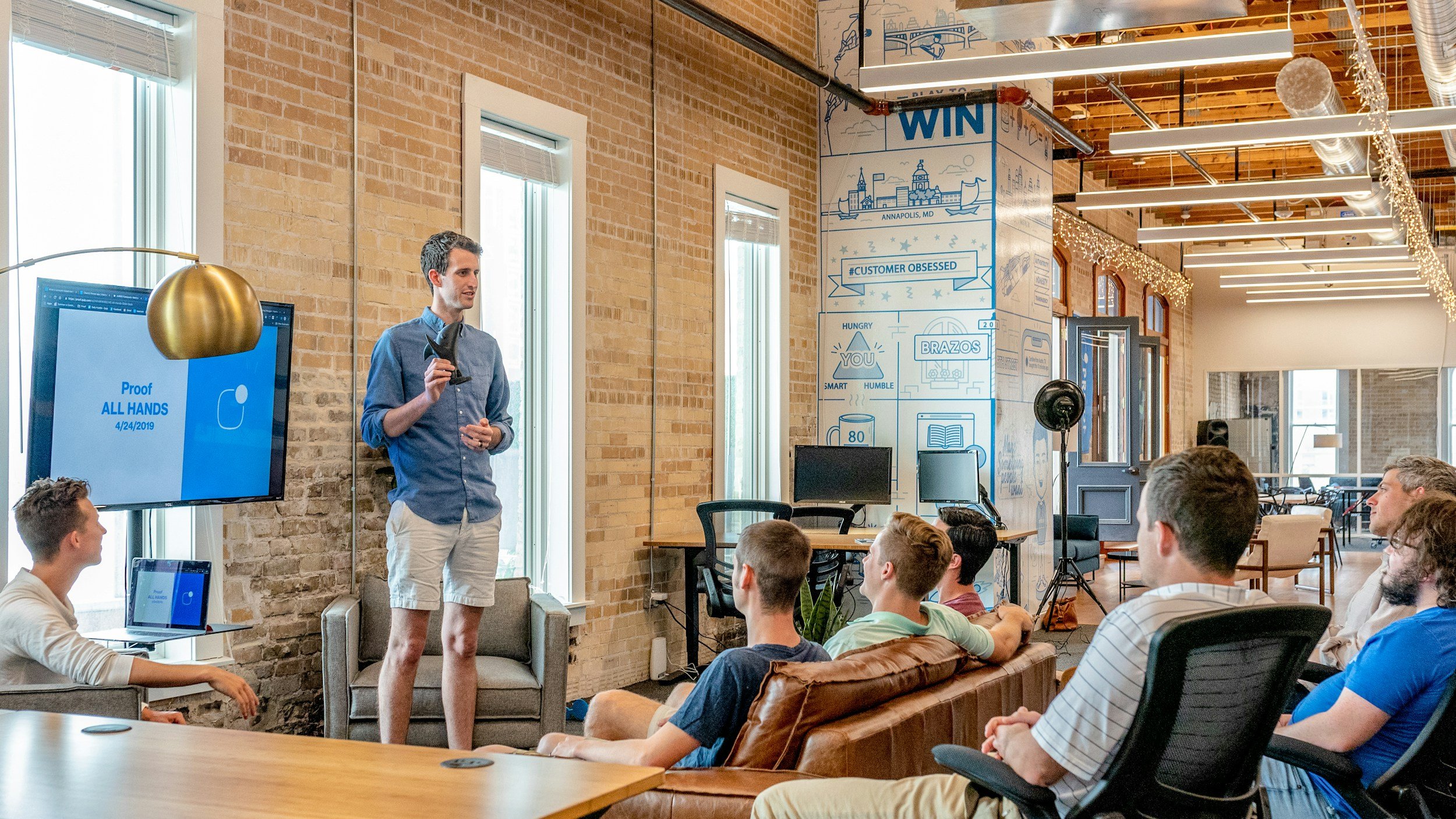

Step 1: Identify Interest: Start by discovering what matters most to your employees.
Send a short survey asking what topics excite them (leadership, mentorship, volunteering, etc.). Ask: “What type of group would help you feel more connected here?” Use simple tools like Google Forms or Microsoft Forms to collect input. Remember, they don’t know what ERGs are so you may have to give them a crash course or keep the questions unassuming of what is to come.
Step 2: Host Listening Sessions: Follow up with short focus sessions to dig deeper into what employees want.
Invite a mix of departments and levels to participate. Keep each session under 30 minutes so it stays focused and easy to attend.
Ask questions like:
“What opportunities could arise?”
“What helps you feel connected to our culture?”
“What skills would you like to grow here?”

Step 3: Get Leadership Buy-In: Present what you’ve learned to leadership and connect it to business goals. Include:
Survey highlights and employee quotes.
How ERGs can support retention, engagement, and leadership growth.
Simple next steps for support (resources, meeting space, recognition).
Step 4: Share the Vision: Let employees know something exciting is coming!
Announcement Template Key Points
Open with excitement: Signal that something new and positive is coming to the organization.
Name the initiative: Introduce the LEAF Framework in a simple, clear way.
Explain the purpose: Share that the goal is to strengthen connection, learning, growth, and support among employees.
Introduce ERGs gently: Mention Employee Resource Groups without assuming prior knowledge; frame them as groups that help people connect and grow.
Invite employee input: Emphasize that their ideas and interests will shape what comes next.
Preview what’s coming: Mention that surveys and short sessions will be shared soon.
Encourage participation: Reinforce that everyone’s voice matters and the process will be easy and optional.
Set the tone: Keep it positive, inclusive, and forward-looking.